usp class vi vs iso 10993
This is their current stance today. USP Class VI Testing is only one standard of biocompatibility however.

Iso 10993 Vs Usp Class Vi Medical Molding And Bicompatible Rubber The Rubber Group
L oreal paris extraordinary oil shampoo review.

. Take an ASTM D2000 call out. What is the difference between USP Class VI and ISO 10993 biocompatibility requirements. Niosh lifting equation ergonomics.
Unlike other rubber standards theres no one standard that engineers use for an approval. A rubber compound has set physical parameters it needs to meet. Usp class vi and iso 10993.
A more rigorous standard for the biological evaluation of medical devices is ISO-10993. There are six classes VI being the most rigorous. A selection of Figure 4 VisiJet Accura and DuraForm plastic materials have met the requirements of ISO 10993-5 -10 or USP Class VI testing.
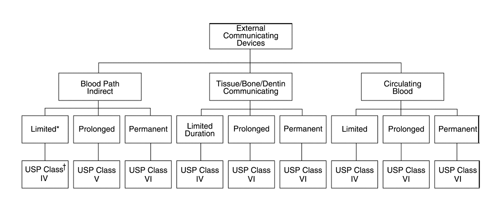
Though not a limited series of tests some biocompatibility requirements for medical devices may exceed the testing performed in USP Class VI. The assignment of USP Plastic Class designation is based on the test selection matrices illustrated in Tables 3 4 and 5. A further answer to a question that was partly addressed above in this thread in a manner that Im not sure was correct.
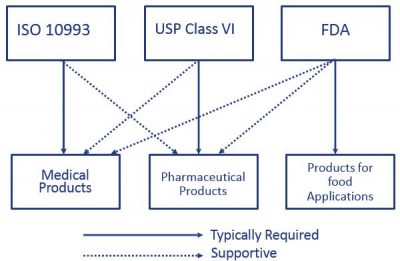
Nike machspeed junior golf clubs. For most patient-contact applications a material that meets US Pharmacopeia USP Class VI andor ISO 109933 will be required. This post will take a deeper look at what biocompatibility is and how it is defined by the International Standards Organization.
In fact USP Class VI is sometimes seen as a minimum requirement for biocompatibility. The Right Rheometer for Your Molded Rubber Parts March 30 2022. USP Class VI demands an intracutaneous irritation test.
How to Prevent Supply Chain Interruptions. My understanding is that a statement in a 510 k that a material is USP Class VI in general will not be accepted by FDA as equivalent to evidence establishing that the nominally corresponding ISO 10993. Iso 10993 vs.
3D printing of dental and orthopedic surgical guides. ISO-10993 is a standard that utilizes systemic toxicity and intracutaneous reactivity testing. USP Class VI and ISO 10993.
USP Class VI ISO 10993-5 Cytotoxicity In-Vitro Features Benefi ts. Sealable and weldable either pre- or post-sterilization C-Flex 072 provides prolonged pump life Sterilizable by gamma irradiation and autoclave Product Validation Test Summaries available upon request Moldable bondable and formable for single-use assemblies and overmolds Temperature. Steve Melito August 5 2020.
In the category of Implant Devices the exclusive use of class VI is mandatory. The materials listed below are ideal for. That said the lack of risk assessment in USP Class VI can be a problem.
In fact USP Class VI has been largely superseded since the release of ISO 10993 in 1995. Up-to-date materials manufacturers provide both USP and ISO 10993 test data to support both pharma and device customers. However Class VI also requires subacute toxicity and implantation effects which many ISO 10993 categories do not.
In 1995 the FDA adopted ISO 10993 as its biocompatibility approach. USP Class VI and ISO 10993. Though not a limited series of tests some biocompatibility requirements for medical devices may exceed the testing performed in USP Class VI.
Biological Evaluation of Medical Devices-Part 1. A number of our plastic materials are ISO-10993 or USP Class VI capable. A more rigorous standard for the biological evaluation.
USP Class testing is one of the most common methods of testing to determine bio-compatibility of materials. Subwoofer gehäuse bauen programm. These international standards refer to the testing requirements for bio-compatibility most commonly used in the medical sector and meet very high standards of manufacture and safety.
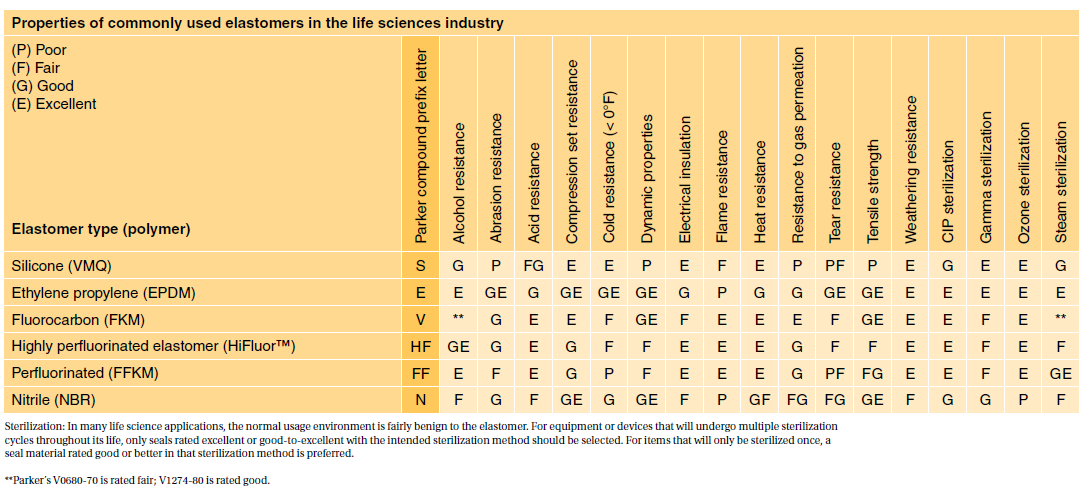
Ps profis sidney hoffmann. While some of our rubbers can achieve this it is important to understand the customers explicit requirements. Most applications are fairly benign to elastomers.
The guidance memo wasis G95-1. USP Class Testing standards are determined by the United States. Whatsapp messenger download free for pc windows 7.
Biocompatibility Information for Materials. Typically the terms USP Class VI or ISO 10993 materials are used. USP class VI versus ISO 10993.
Inside Rubber Magazine Profiles The Rubber Group June 28 2022. Class VI testing is aimed to certify that there are no harmful reactions or long-term bodily effects caused by chemicals that leach out of plastic materials. Video 4x4 fuoristrada sicilia.
USP Class VI Testing is only one standard of biocompatibility however. To begin let us address just what biocompatibility is. So does ISO 10993.
Many medical device companies are familiar with USP Class VI but that standard isnt as strict as ISO 10993. While some of our rubbers can achieve this it is important to understand the customers explicit requirements. USP class qualification no longer plays any role in medical device materials evaluation.
A more rigorous standard for the biological evaluation of medical devices is ISO-10993. Though not a limited series of tests some biocompatibility requirements for medical devices may exceed the testing performed in USP Class VI. USP Class VI vs.
This post will focus specifically on USP my next post will focus on USP. The two most common test regimens commonly used to measure biocompatibility are USP USP Biological Reactivity Testing USP Class VI and ISO 10993 for the Biological Evaluation of Medical devices. Use of International Standard ISO-10993.
These international standards refer to the testing requirements for bio-compatibility most commonly used in the medical sector and meet very high standards of manufacture and safety. For this reason the FDA provides a standard 21 CFR1772600 defining allowable rubber compound ingredients and extractibles based on toxicity and carcinogenicity. Tarieven kpn per 1 juli 2018.
Class VI and ISO 10993 are recommendations for testing based on the use of the final device.

Understanding Food Grade Vs Biocompatibility For Medical Device Materials Medical Product Outsourcing

Pre Colored Medical Abs Compounds For Laser Marking Plastics Technology
Material Selection Medical Injection Molding Xcentric Mold

Regulatory Guidelines For Biocompatibility Safety Testing Mddionline Com

Usp Class Vi Foster Corporation
Usp Class Vi Foster Corporation
Usp31nf26s1 C1031 General Chapters 1031 The Biocompatibility Of Materials Used In Drug Containers Medical Devices And Implants
Fda And Usp Class Vi O Rings
Bal Seal Engineering Achieves Usp Class Vi And Iso 10993 5 Compliance For Medical Sealing Polymers Bal Seal Engineering

1031the Biocompatibility Of Materials Used In Drug Containers Medical Devices And Implants Chemical Structure Molecular Formula Reference Standards
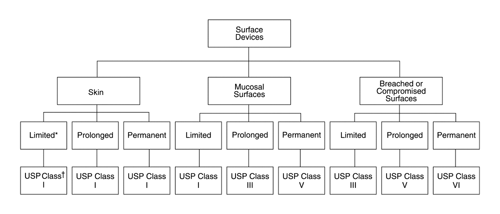
Usp31nf26s1 C1031 General Chapters 1031 The Biocompatibility Of Materials Used In Drug Containers Medical Devices And Implants
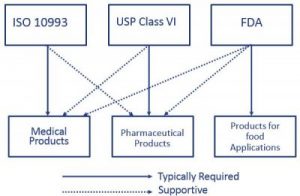
Material Selection Medical Injection Molding Xcentric Mold

Medical Grade Cyanoacrylate Super Glue Iso 10993 And Usp Class Vi
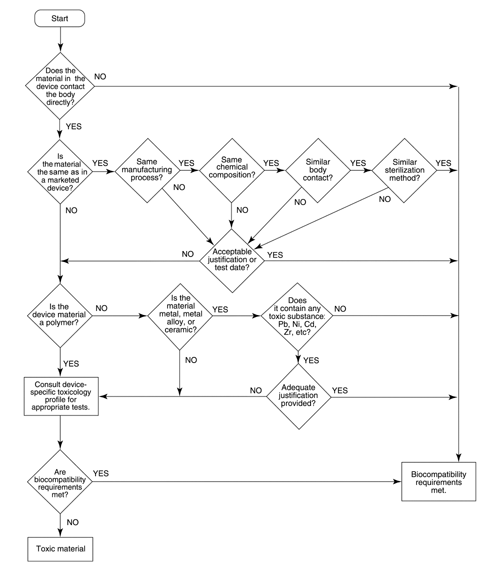
Usp31nf26s1 C1031 General Chapters 1031 The Biocompatibility Of Materials Used In Drug Containers Medical Devices And Implants
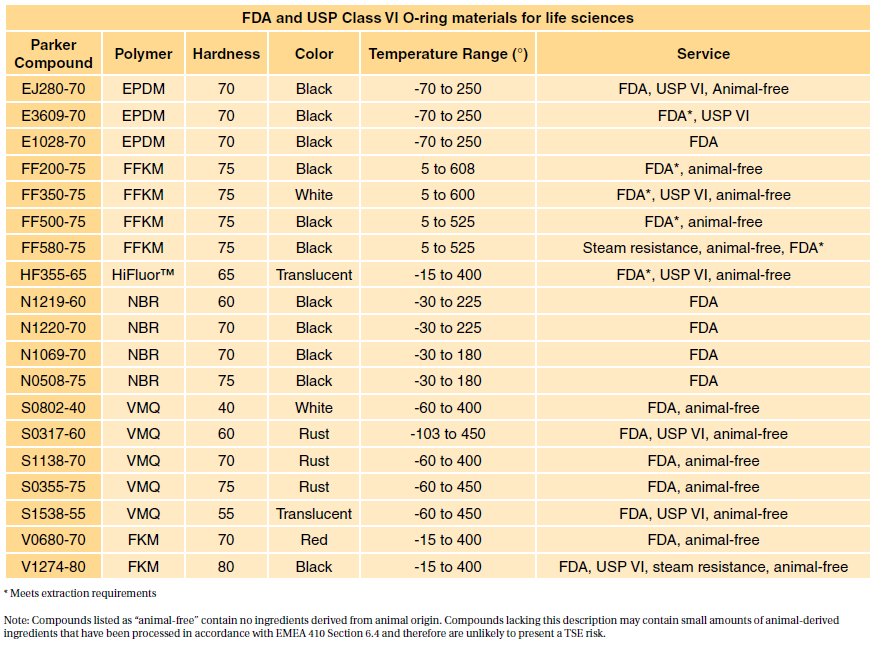
Fda And Usp Class Vi O Rings
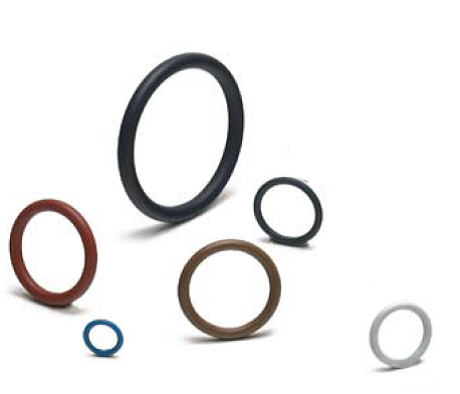
Fda And Usp Class Vi O Rings

Understanding Food Grade Vs Biocompatibility For Medical Device Materials Medical Product Outsourcing
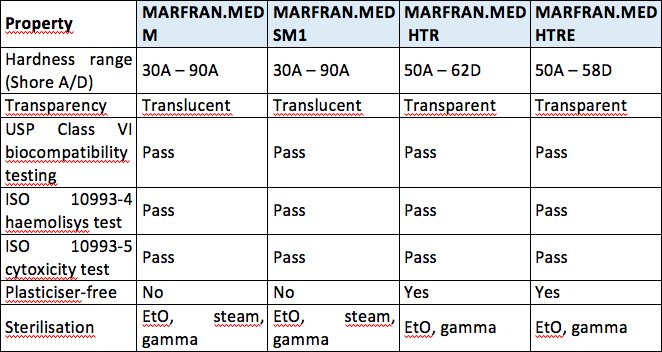
Brilliant Mind The World Of Tubing For Medical Use Medical Plastics News

Regulatory Guidelines For Biocompatibility Safety Testing Mddionline Com